Radiators can make various noises, and understanding what these sounds mean is the first step in fixing the problem. You might hear banging, clanging, hissing, or gurgling sounds. Whilst radiators always make some noise, it can cause worry when they get loud or frequent, especially if it is happening all across the building. Knowing what to listen for can help you accurately diagnose the problem and take appropriate action before more serious problems occur.
Common Causes of Radiator Noises
1. Air Trapped in the Radiator
Air trapped in your radiator can cause a variety of noises, including gurgling and banging. When air gets stuck in the system, it prevents water from circulating properly, leading to these annoying sounds and less heat output. The solution is usually simple: bleeding the radiator to release the trapped air. This can be done with a radiator key, which is a straightforward process.
2. Loose or Unsecured Pipes
If you hear banging or clanging, it could be due to loose or unsecured pipes. As the water flows through the pipes, it can cause them to move slightly, creating noise. This issue often occurs in older systems or where the pipes have not been properly secured. Checking and securing the pipes can help eliminate these sounds. Sometimes, adding clips or brackets to hold the pipes in place can make a big difference.
3. Sludge Build-Up Inside the Radiator
Over time, sludge and debris can build up inside your radiator, leading to blockages and noisy operation. This build-up can restrict the flow of water, causing gurgling or banging sounds. The best way to fix this issue is to flush the radiator system. This involves removing the sludge and debris to restore proper water flow. A power flush by a professional plumber is often recommended for thorough cleaning.
4. Faulty Thermostatic Radiator Valve (TRV)
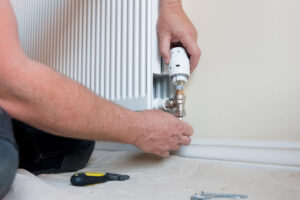
A faulty Thermostatic Radiator Valve (TRV) can also be a source of noise. The TRV is the part on the side of a radiator that controls the temperature of your radiator by regulating the flow of hot water. You might hear hissing or whistling sounds if it’s not working correctly. Replacing or repairing the TRV usually resolves this issue. It’s best to call a local plumber if you’re unsure how to handle this component.
How To Diagnose Radiator Noises
Diagnosing radiator noises involves a few simple steps. Start by identifying the type of noise your radiator is making, whether it’s banging, clanging, hissing, or gurgling. Next, check the radiator and pipes for any obvious issues like leaks, loose fittings, or signs of corrosion.
Bleed the radiator to see if trapped air is causing the noise. If the problem persists, see whether the noise changes when adjusting the thermostatic radiator valve (TRV) or the heating system. This process can help pinpoint the source of the noise and guide you towards the right solution.
Common Solutions To Try
Bleeding the Radiator
Bleeding the radiator is often the first step to take if you hear gurgling or hissing noises. Use a radiator key to open the bleed valve and release any trapped air. This allows water to flow smoothly, eliminating air pockets that cause noise. Make sure to have a cloth handy to catch any escaping water.
Securing Loose Pipes
If your radiator makes banging or clanging sounds, check the pipes for any loose or unsecured sections. Tighten any fittings and add clips or brackets to hold the pipes firmly in place. This helps prevent the pipes from moving and creating noise when water flows through them.
Flushing the Radiator
For issues related to sludge build-up, flushing the radiator system is an effective solution. This involves draining the system and using a cleaning solution to remove sludge and debris. You can do a basic flush yourself, but for a thorough clean, a professional power flush is recommended.
How To Prevent These Common Plumbing Issues
Preventing radiator noises involves regular maintenance and a few proactive steps. Bleed your radiators annually to prevent air from getting trapped. Ensure pipes are securely fastened to avoid movement. Additionally, have your heating system serviced by a professional plumber at least once a year. Regular maintenance helps keep your radiators running smoothly and quietly, ensuring your home stays warm and peaceful.
Stop The Noises And Enjoy Reliable Heating
Radiator noises can be more than just an annoyance; they often indicate underlying issues that need attention. By understanding the common causes and solutions, you can take steps to keep your heating system running smoothly and quietly. Regular maintenance and prompt attention to any unusual sounds will help ensure your radiators work efficiently, providing consistent warmth throughout your home.
If you’re experiencing persistent radiator noises or need professional assistance, don’t hesitate to contact Pete’s Plumbing. Our expert team serves Brierley Hill and all surrounding areas and is ready to diagnose and fix any plumbing issue, ensuring your home stays comfortable and peaceful. Call us today to schedule a service or consultation!