A dripping tap can seem like a small problem, but it is often a sign that something inside the tap is worn, loose or no longer sealing properly. The steady drip may be easy to ignore at first, especially if it only happens every few seconds, but over time it can waste water, stain sinks, increase bills and make the fault worse.
In many homes, dripping taps are one of the most common reasons people call for tap repairs. Some causes are simple, while others need a closer look from a local plumber. Understanding why your tap is dripping can help you decide whether it is a quick fix or whether it is time to get professional help.
Common Reasons Why A Tap Keeps Dripping
The most common cause of a dripping tap is a worn washer. In traditional taps, the washer is pressed against a valve seat to stop water flowing. Over time, the washer can become hard, cracked or misshapen, which allows a small amount of water to escape even when the tap is fully turned off.
Modern taps may not use a traditional washer. Many mixer taps use ceramic cartridges instead. If the cartridge becomes damaged, blocked with grit or worn down, the tap may drip from the spout, leak around the handle or become difficult to turn.
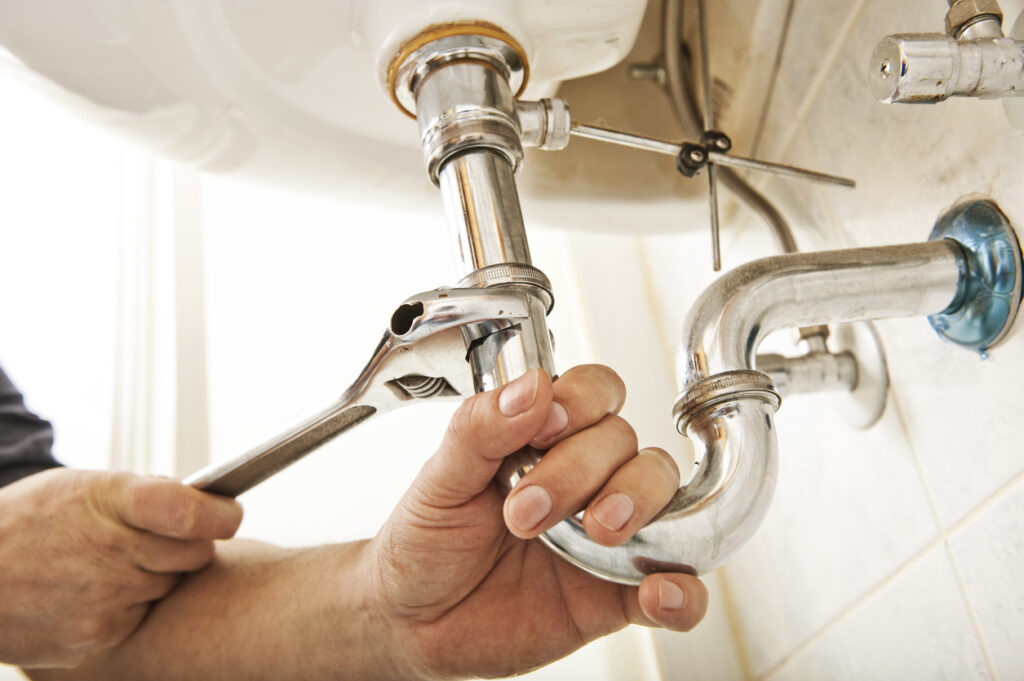
Could High Water Pressure Cause A Dripping Tap?
High water pressure can put extra strain on taps, valves and pipework. If the pressure is too strong, water may force its way through weak seals or worn parts, causing the tap to drip even when it appears to be switched off properly. This may be more noticeable at certain times of day when water demand in the area is lower.
If more than one tap is dripping, or if taps splash heavily when turned on, it may be worth checking for water pressure problems. A plumber can test the pressure and look for signs that it is affecting your plumbing system. Fixing the pressure issue can help protect taps, showers, toilets and pipework from further wear.
Why Is My Mixer Tap Dripping?
Mixer taps are convenient, but they contain moving parts that can wear over time. A dripping mixer tap is often caused by a faulty cartridge, damaged O-ring or worn internal seal. You may notice the tap dripping from the spout, leaking near the base or allowing water to escape around the handle.
Because mixer taps combine hot and cold water through one fitting, the fault is not always obvious from the outside. A plumber may need to isolate the water supply, remove the tap handle and inspect the cartridge or seals. In many cases, plumbing repairs can solve the problem without replacing the whole tap.
Can Limescale Make A Tap Drip?
Limescale can build up inside taps, especially in hard water areas. Over time, mineral deposits can stop internal parts from closing properly. This can leave a tiny gap where water escapes, creating a constant drip. Limescale can also make tap handles stiff, reduce water flow and damage cartridges.
Cleaning the outside of the tap may improve the appearance, but it will not always fix the internal problem. If limescale has damaged the cartridge, washer or valve seat, the affected part may need replacing. Regular maintenance can help, but a persistent drip usually needs proper tap repairs to stop it returning.
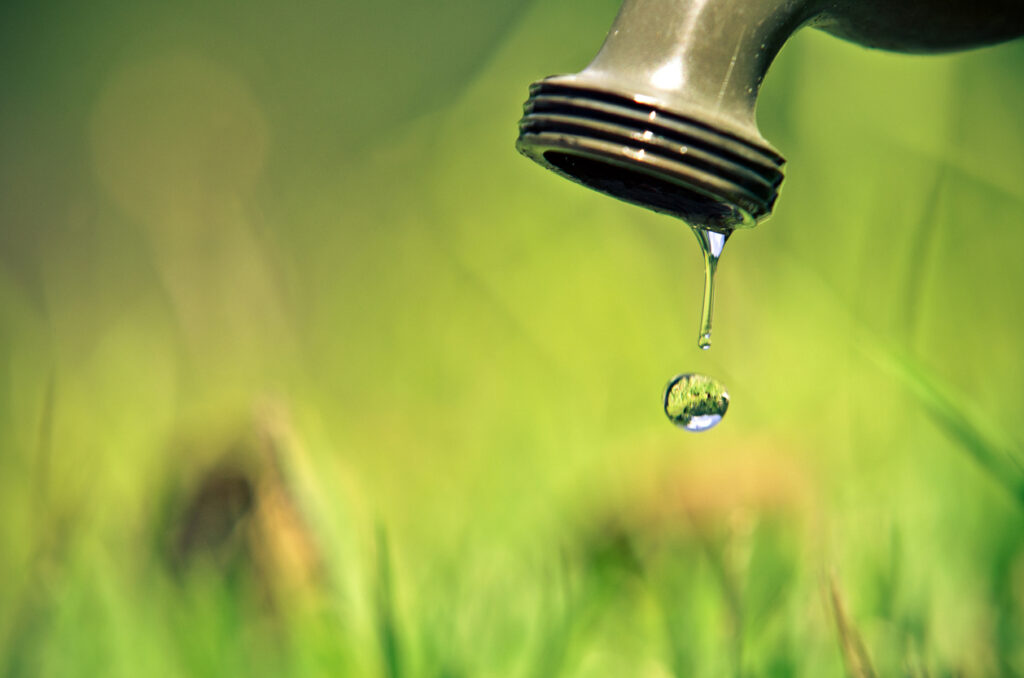
Is A Dripping Tap An Emergency?
A dripping tap is not always an emergency, but it should not be ignored. If the drip is slow and contained within the sink or basin, you may be able to book a normal plumbing visit. However, if water is leaking under the sink, dripping into a cupboard or causing damage to flooring, it needs attention quickly.
You should also act fast if the tap will not turn off, the handle has broken, or water is escaping from pipework below the tap. In those situations, turning off the isolation valve or stop tap can help limit damage until an emergency plumber can attend.
Can I Fix A Dripping Tap Myself?
Some homeowners try to fix a dripping tap by replacing a washer or cartridge. This can work if you know the tap type, have the correct replacement part and can safely isolate the water supply. The challenge is that many taps look similar from the outside but use different internal parts.
DIY repairs can also lead to problems if parts are overtightened, seals are fitted incorrectly or the water supply is not fully isolated. If the tap is old, corroded or difficult to access, it is often safer to call a professional plumber. This helps avoid leaks, damaged fittings and repeat repairs.
Should I Repair Or Replace A Dripping Tap?
Repair is often the best option if the tap is in good condition and the problem is limited to a washer, cartridge or seal. Replacing a small part can be quicker and more cost-effective than fitting a new tap. This is usually the case when the tap still turns smoothly and there is no visible corrosion.
Replacement may be a better choice if the tap is old, badly worn, loose, heavily scaled or leaking from several places. A plumber can advise whether repair or replacement makes more sense. If you are already updating a kitchen or bathroom, new taps can also improve the look and reliability of the room.

How A Plumber Can Help With A Dripping Tap
A plumber will usually start by checking where the water is coming from. A drip from the spout indicates an internal sealing issue, while a leak around the base or at pipe connections may suggest a different fault. They can also check isolation valves, flexible hoses and nearby pipework for signs of hidden leaks.
For homeowners in Brierley Hill, Dudley, Stourbridge, Kingswinford, Halesowen, Cradley Heath and Kinver, Pete’s Plumbing can help with tap repairs, leak detection, bathroom plumbing, kitchen plumbing and general plumbing maintenance. Getting the problem fixed properly can stop wasted water, protect your home and prevent a small drip from turning into a bigger repair.
Final Thoughts
A dripping tap is usually caused by a worn washer, faulty cartridge, damaged seal, limescale build-up or pressure issue. While the problem may seem minor, it can waste a surprising amount of water and may point to wider plumbing wear if left untreated.
If your tap keeps dripping after being fully turned off, it is worth getting it checked. A quick repair can often solve the issue before it becomes more expensive, especially if there are signs of leaking below the sink, poor water pressure or damage around the tap fitting.