Water conservation is a crucial practice in today’s environmentally conscious world. Saving water not only helps preserve our precious resources for future generations but also offers significant benefits for homeowners. By reducing water use, you can lower your utility bills, lessen the demand on your local water supply, and contribute to a healthier planet. Simple changes and upgrades in your home can lead to substantial water savings, making conservation an easy yet effective way to make a difference.
At Pete’s Plumbing, we can offer a range of solutions to make your home more water-efficient; check out this blog and see what you can learn.
Tip #1: Upgrade to Water-Efficient Fixtures
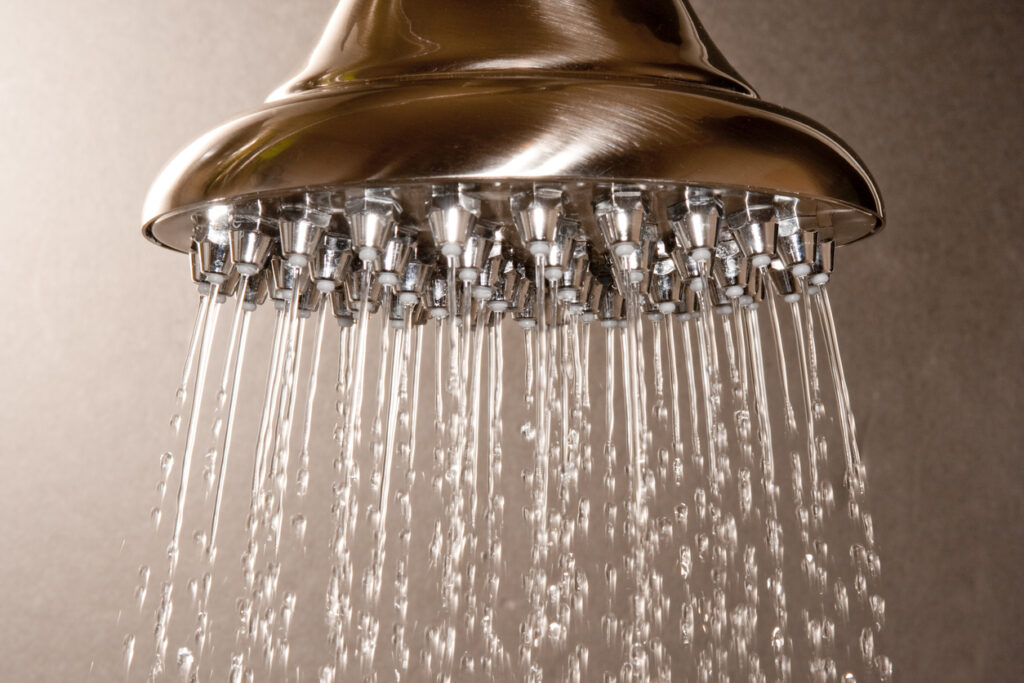
One of the most impactful ways to reduce water consumption is by upgrading to water-efficient fixtures. Low-flow showerheads, taps, and toilets can drastically cut down your household’s water use. For instance, modern low-flow showerheads can save up to 7 litres of water per minute compared to traditional models. Similarly, installing a new toilet that is more efficient can reduce the amount of water used per flush by more than half. These upgrades not only conserve water but also lower your water bills for those on a meter, offering a win-win solution for both the environment and your wallet.
Tip #2: Fix Leaks Promptly
A dripping faucet or a leaking toilet can waste a surprising amount of water—up to hundreds of litres each week in some cases, and can also reduce your water pressure. Detecting and repairing leaks promptly is essential to prevent water wastage. Keep an eye out for common signs of leaks, such as a constantly running toilet, damp spots under pipes, or a higher-than-usual water bill. Regularly checking your water meter can also help identify hidden leaks. By addressing leaks immediately, you can save a significant amount of water and avoid unnecessary increases in your water bill.
Tip #3: Adopt Water-Saving Habits
Adopting water-saving habits in your daily routine can significantly contribute to your household’s water conservation efforts at no extra cost. Simple actions like taking shorter showers and turning off the tap while brushing your teeth or washing dishes can make a big difference. Consider filling a basin with water for washing dishes by hand instead of letting the water run and only running the dishwasher and washing machine with full loads. Encouraging all family members to adopt these habits can amplify your conservation efforts, leading to greater water savings and environmental benefits. Reducing the amount of time you spend running your water will also extend the life of appliances and fixtures, saving money in the long run.
Tip #4: Smart Landscaping and Outdoor Water Use
Optimising your garden and outdoor space can significantly contribute to water conservation. One effective strategy is to choose drought-resistant plants native to your region, which require less water and are more resilient to local weather conditions. When it comes to lawn care, adjusting your mower to a higher cut can promote moisture retention in the soil. Additionally, investing in an efficient irrigation system, such as drip irrigation or soaker hoses, can target water directly to the roots of plants, minimising waste.
Watering your garden during the cooler parts of the day, like early morning or late evening, can also prevent water evaporation and ensure that your plants receive the hydration they need. Think about installing a water barrel to catch rain so that you can avoid running the outdoor taps where possible. These changes make a huge difference in the summer when our water reserves are the lowest.
Tip #5: Invest in Water-Efficient Appliances
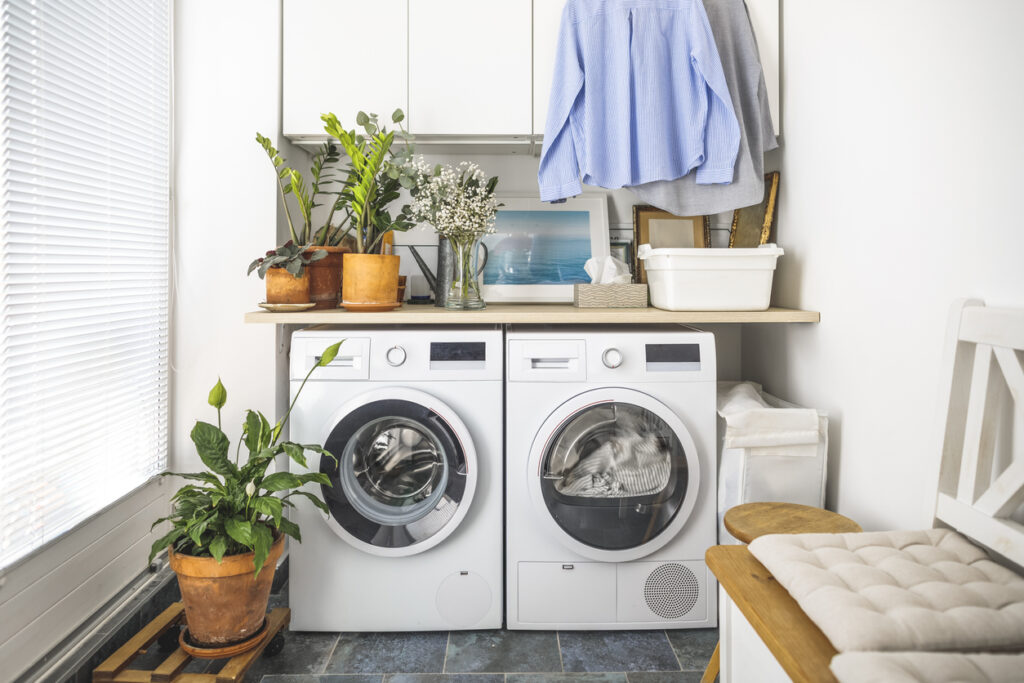
Modern water-efficient appliances, such as dishwashers and washing machines, are designed to use significantly less water and energy without compromising performance. These appliances can save thousands of gallons of water over their lifespan, translating into considerable savings on your water and energy bills. Moreover, by reducing energy consumption, these appliances also lower greenhouse gas emissions, contributing to environmental conservation. The initial investment in water-efficient appliances ultimately pays off, yielding both financial benefits and a smaller ecological footprint.
The Impact of Your Water-Saving Efforts
The journey to water conservation is made up of small, deliberate steps taken within our homes and communities. By implementing the tips outlined—upgrading to water-efficient fixtures, fixing leaks promptly, adopting water-saving habits, optimising outdoor water use, and investing in efficient appliances—you can make a significant impact. These efforts not only lead to considerable savings on your utility bills but also play a crucial role in preserving our planet’s most vital resource.
As more households adopt these practices, the cumulative effect on water conservation can be substantial. Let’s all commit to making conscious choices that contribute to a sustainable future. Together, our water-saving efforts can create a ripple effect, ensuring a healthier planet for generations to come. Speak to a local plumber today if you need help making any of these changes.